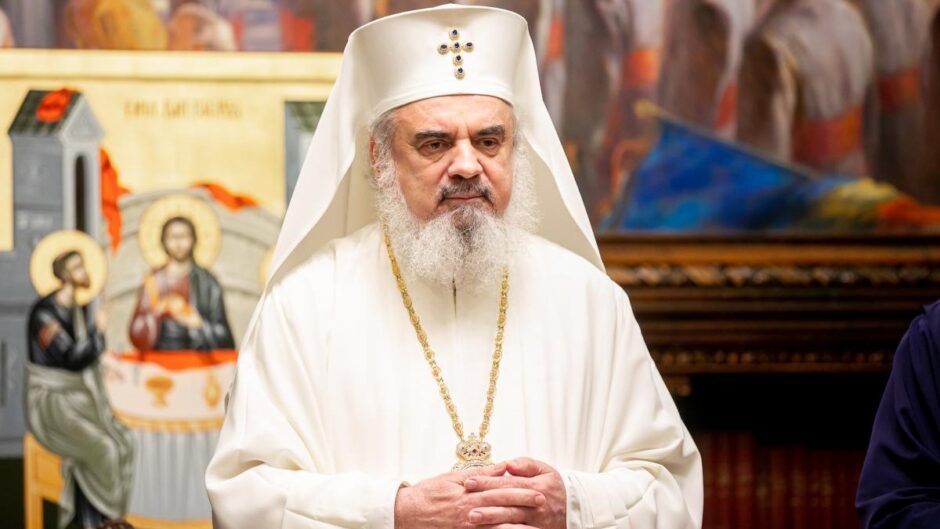
Patriarch Daniel on Monday gave over 2,000 Euro from his salary to buy protection equipment for the volunteers involved in...

Patriarch Daniel on Monday gave over 2,000 Euro from his salary to buy protection equipment for the volunteers involved in...
On March 27, 2020, His Grace Bishop Neofitos appealed to all Clergy to conduct services in their homes with family...

In the fight against the coronavirus pandemic, patience is a virtue, said the Health Ministry’s coronavirus spokesman and infectious diseases...
In keeping with CDC guidelines and restrictions on large gatherings by the Commonwealth of Massachusetts, Hellenic College Holy Cross Greek...
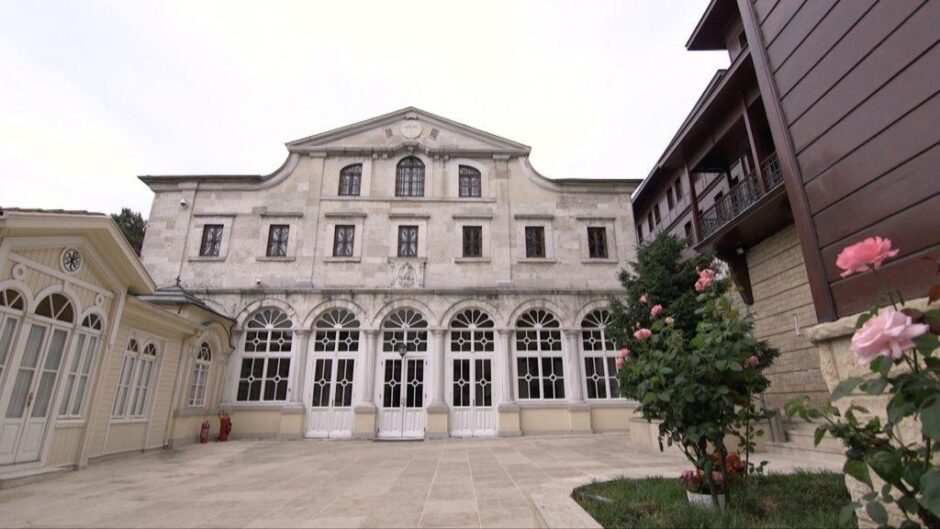
The Ecumenical Patriarchate has issued an update regarding the suspension of all ecclesiastical rites and events due to CONVID-19. Read...
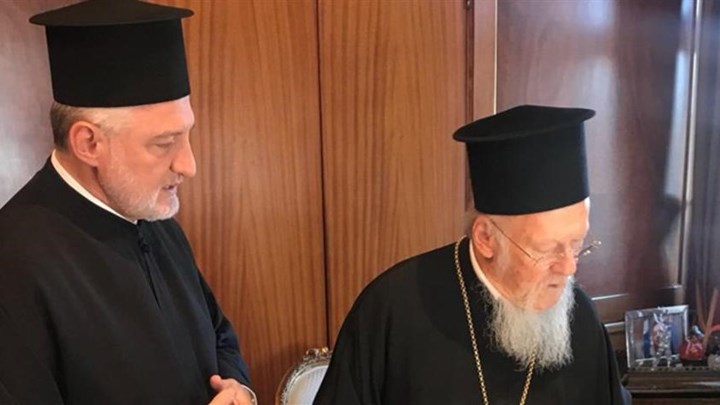
On March 30, 2020, His Eminence Archbishop Elpidophoros of America announced the postponement of the Apostolic Visit of Ecumenical Patriarch...

Confession spells the end of any fraternization with sins. Revulsion at our sins is the mark of true repentance of the soul and a firm decision to live virtuously. >Saint Ignatius Brianchaninoff
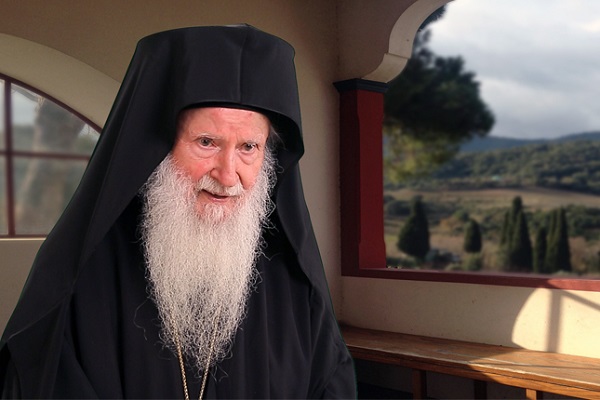
Today, on this Fourth Sunday of Great Lent, we celebrate St. John the Sinaite, also known as St. John “Climacus” (Ladder). Although the Saint’s feast day is on March 30th, the Church wants to highlight the narrow path of asceticism and virtue on this particular Sunday of Great Lent, and St. John is an exemplary guide in following this path with sincere love for Christ. St. John was born in Syria in 523 AD. At the age of 16 he joined the Monastic Brotherhood of the famous Sinai Monastery, where he labored as a Monk under obedience to his spiritual father for 19 years. Because he was attracted to ascetic life in the desert, he fled to a secluded cell, five ...

In times of trial, people draw closer to God, which is why God also has to allow such trials, in...

Watch our news bulletin in English with Charilaos Tzannis: Πηγή: www.orthodoxianewsagency.gr
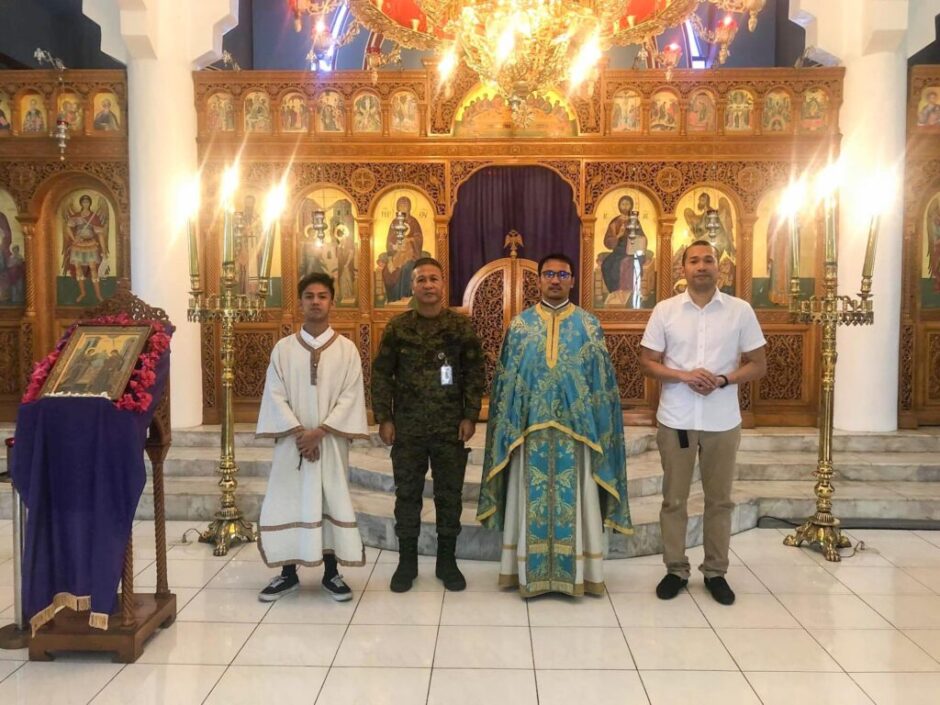
In the faroff Philippines, Father Gregorios joined young people from the Orthodox parish of the Annunciation, in the Paranake...
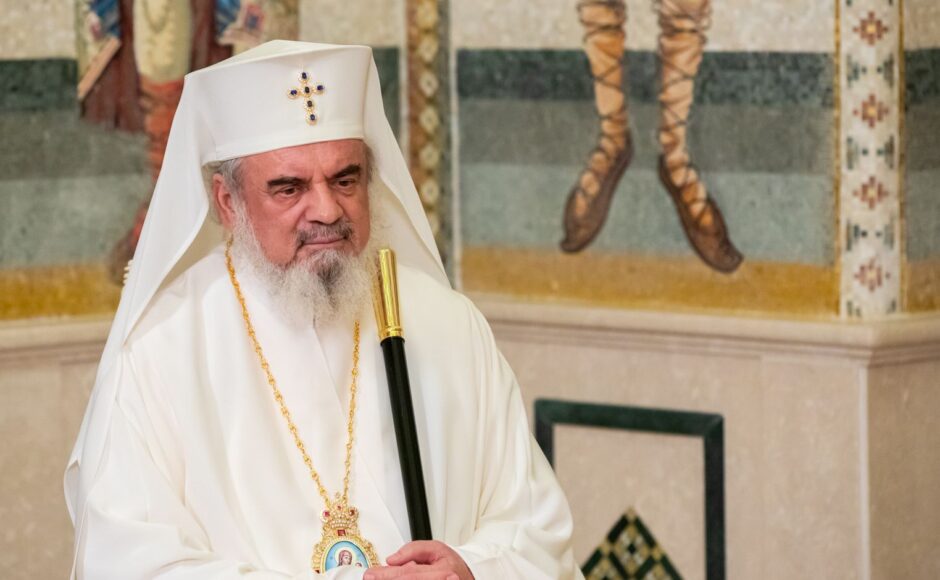
The Patriarch of All Romania, His Beatitude Daniel, during his sermon on Sunday referred to the significance of fasting...
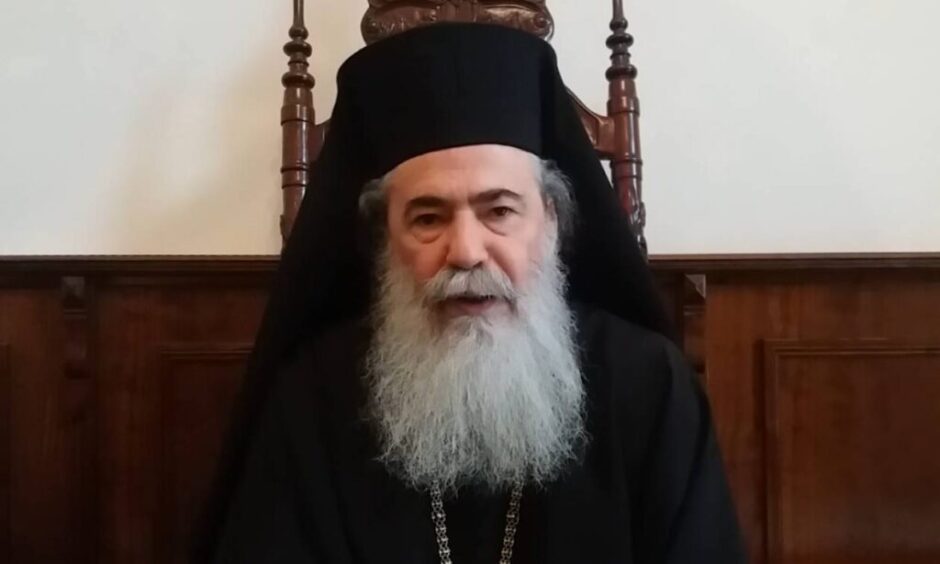
The Patriarch of Jerusalem, His Most Godly Beatitude Theophilos III, announced that the Patriarchate will suspend lease payments for...
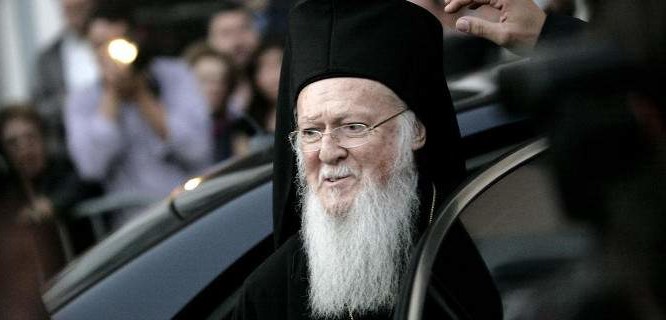
A scheduled visit by the Ecumenical Patriarch of Constantinople, His All Holiness Bartholomew I, to the United States in...

The Holy Synod of the Autocephalous Orthodox Church of Greece will convene in an extraordinary session this week, as...
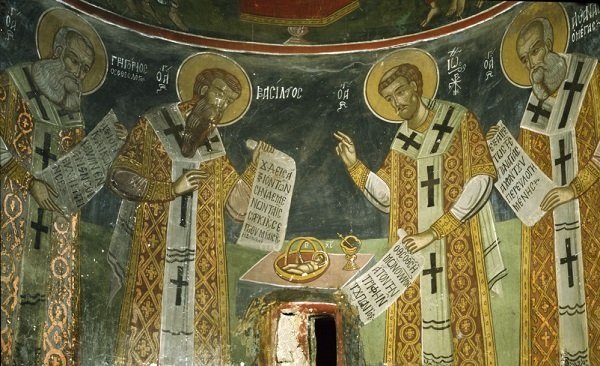
After those who entered the ancient Church had been baptized, the whole of their life was imbued with the sacred desire for Holy Communion. The places of worship, especially the catacombs, were full of allegorical symbols of the heavenly nourishment of the faithful. Images of the true vine, of the thirsting hart racing ‘to the springs of waters’. In the crypt of Saint Lucina , there is a depiction of fish and a basket of loaves for Holy Communion*. ‘Love, pour me wine’ reads one inscription (in Latin). In the Greek chapel of the catacomb of Priscilla, a wall-painting from the 2nd century represents the fractio panis, the breaking of the bread. The priest breaks the bread. In front of ...

NEW YORK – The Assembly of Canonical Orthodox Bishops of the USA announces a resource center for clergy and faithful...
We shouldn’t blackmail God in our prayers. We shouldn’t ask Him to release us from something, like an illness or whatever. Nor to solve our problems for us. We should just ask for strength and support from Him, so that we can bear these. » Venerable Porphyrios of Kavsokalyvia
The demon of fear that tempts you, saying „Where can you flee? You have no repentance; you have no escape”,...
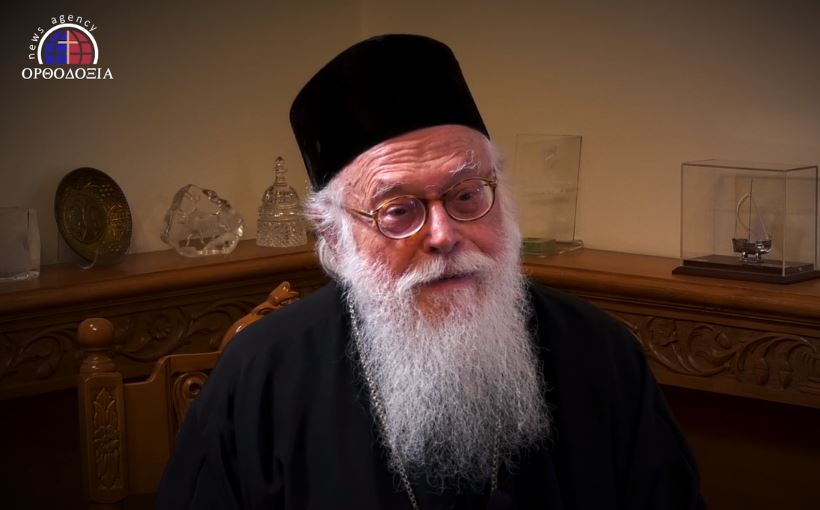
Interview with the Archbishop of Albania, former President of the WCC by Marianne Ejdersten, WCC director of Communication Archbishop Anastasios...