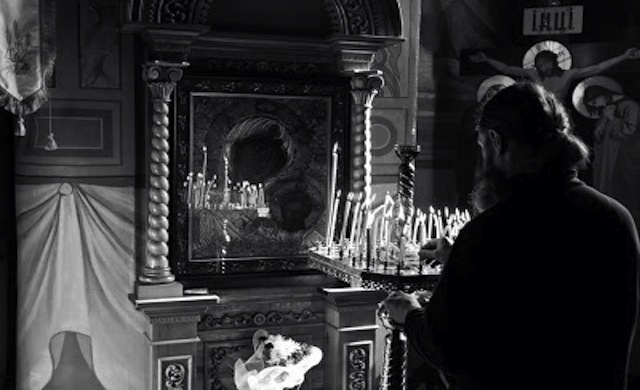
Sloth, stubbornness or any other passion is followed by commensurate punishment. When my internal disposition is out of sorts with God, with His sanctity, I feel the punishment within me, in my heart, like a burning fire.
Sloth, stubbornness or any other passion is followed by commensurate punishment. When my internal disposition is out of sorts with God, with His sanctity, I feel the punishment within me, in my heart, like a burning fire.
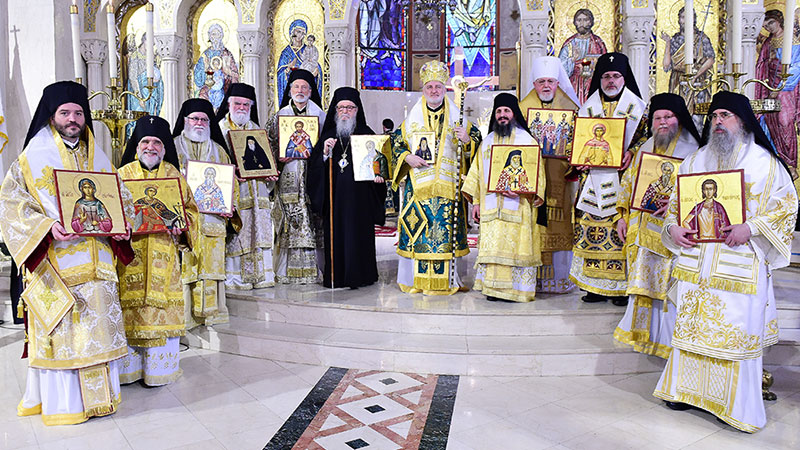
NEW YORK – On March 8, 2020, eleven Orthodox hierarchs from various canonical jurisdictions concelebrated the Divine Liturgy on the...
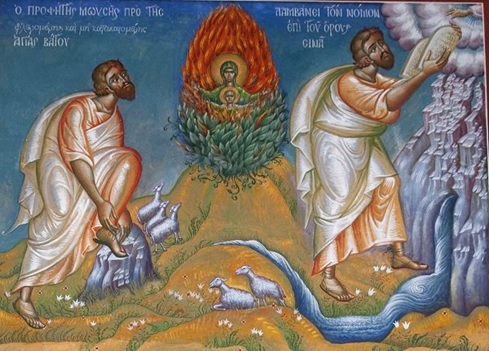
When we commemorate the saints for the first Sunday in Lent, the Sunday of Orthodoxy (when we read the Synaxari), we see: on that day, the first Sunday of the Fast, we commemorate the memory of the restoration of the holy and venerable icons, effected by the Emperors of Constantinople, Michael and his mother Theodora, of blessed memory, in the reign of Saint Methodios the Confessor, Patriarch’. In other words, we celebrate the adoption of the feast of Orthodoxy, which was established triumphantly by the Synod of Hierarchs residing in Constantinople on 11 March 843. In establishing this feast, the Synod applied the resolutions of the 7th Ecumenical Synod. But the hymns for the feast don’t refer exclusively to the ...
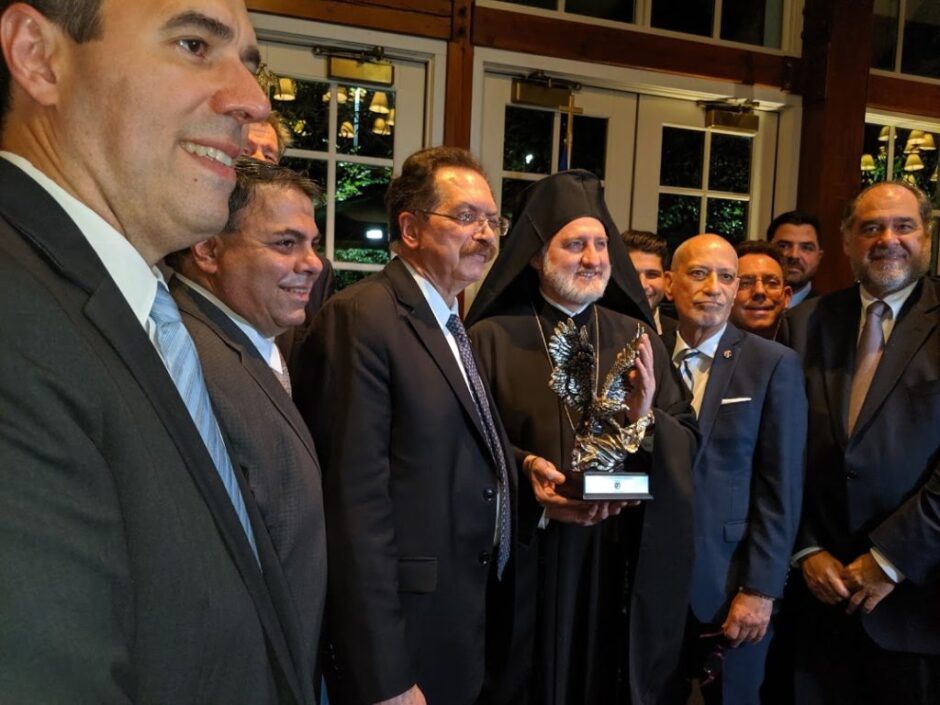
The «Delphi» chapter of the American Hellenic Educational Progressive Association (AHEPA) this week honored Archbishop of America, His Eminence Elpidophoros,...
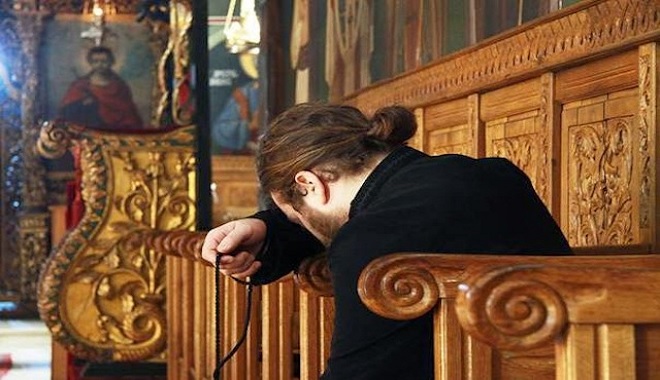
‘The pure and undefiled fast has now come upon us and brings us to the celebration of the martyr’s miracles. Through the fast our souls are cleansed from filth and defilement and through the martyr’s miracles and feats we are emboldened to fight bravely against the passions. Illumined, therefore, by the grace of holy abstinence and by the wondrous works of the martyr Theodore, we are fortified by our faith in Christ and beseech Him to award salvation to our souls.’ (Matins Aposticha)
Watch our news bulletin in English with Charilaos Tzannis: Πηγή: www.orthodoxianewsagency.gr
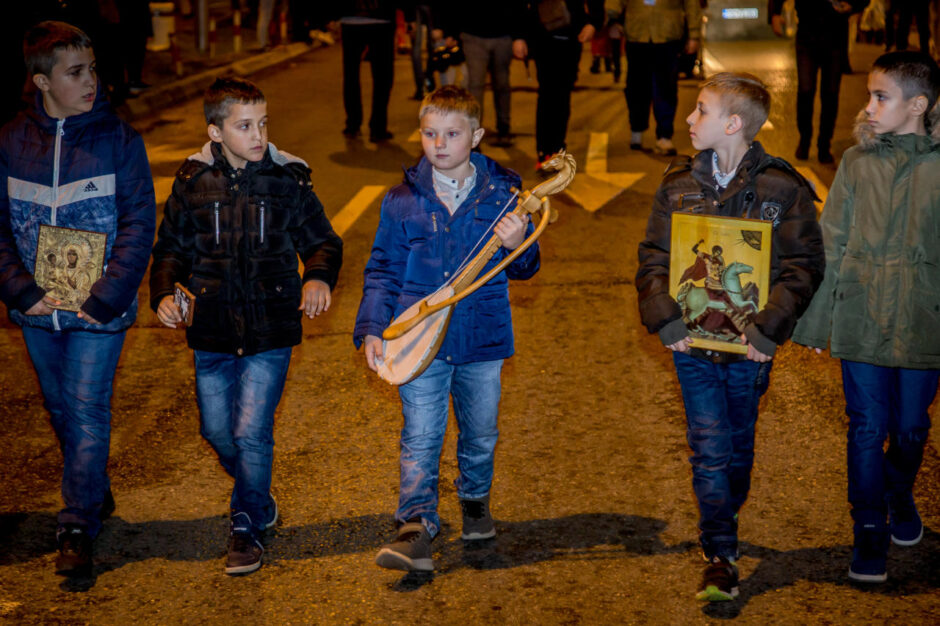
Thousands of people again held peaceful protests in cities around Montenegro to show their opposition to a controversial law that...
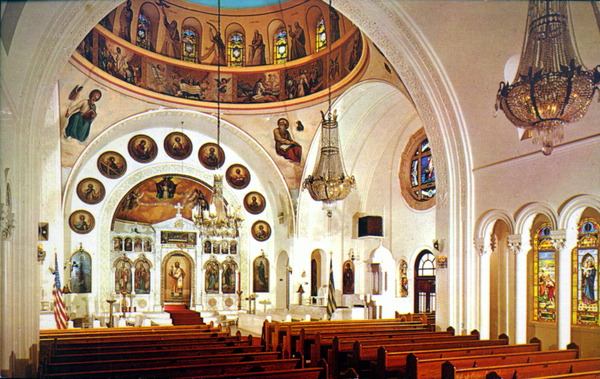
His Eminence Archbishop Elpidophoros of America and the Most Reverend Members of the Holy Eparchial Synod of the Archdiocese of...
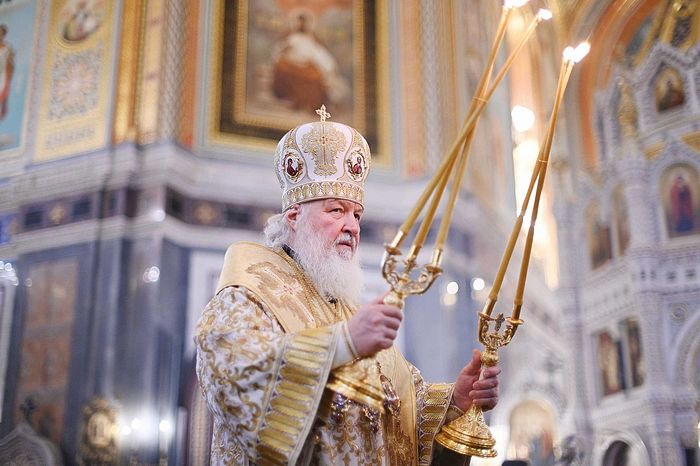
The Patriarch of Moscow and All Russia, His Holiness Kirill, on Sunday referred to what he called a «powerful distortion»...
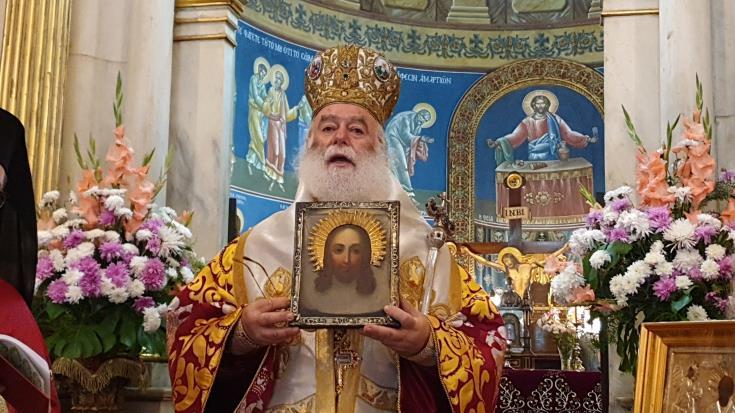
The Pope and Patriarch of Alexandria and All Africa, His Divine Beatitude Theodoros II, referred to the unprecedented situation on...
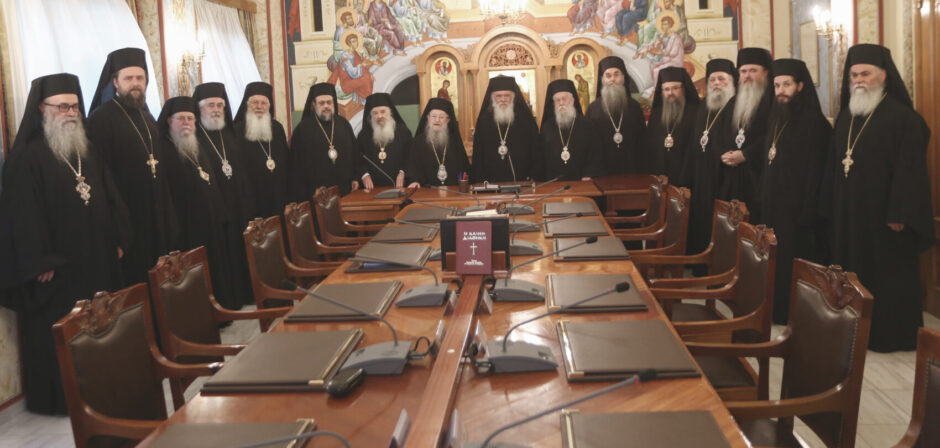
The Holy Synod of the Autocephalous Orthodox Church of Greece convened on Monday, with sessions to continue until Wednesday, amid...
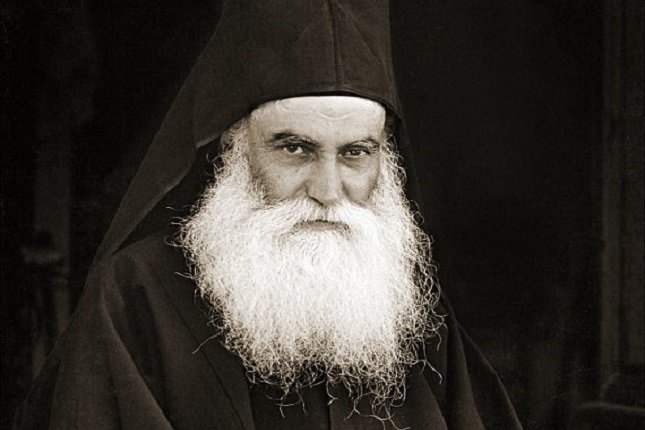
Members of the Holy Synod of the Ecumenical Patriarchate of Constantinople on Monday officially announced the canonization of three Athonite...
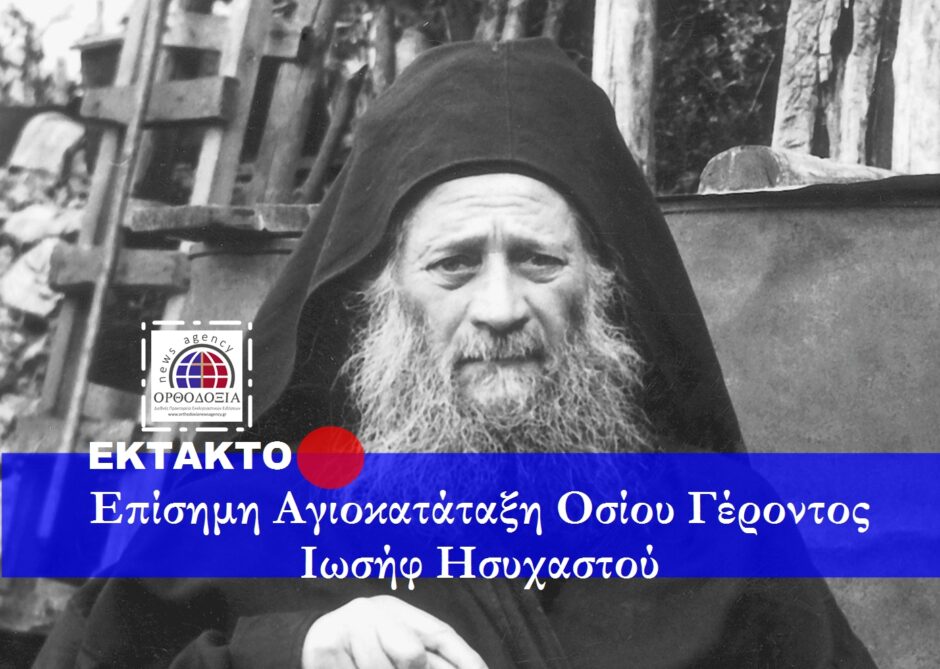
Members of the Holy Synod of the Ecumenical Patriarchate of Constantinople on Monday officially announced the canonization of Elder Iosif...
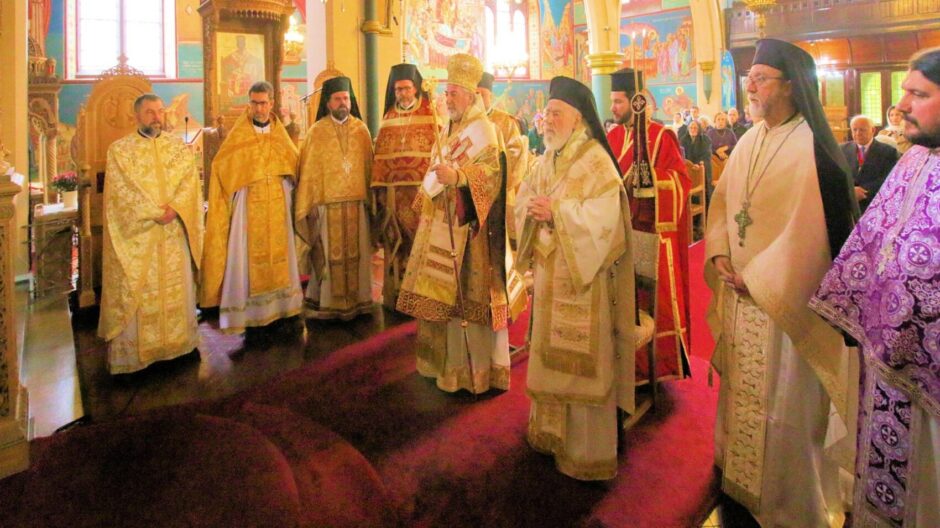
This was also the last Divine Liturgy of His Eminence Metropolitan Chrysostomos of Heliopolis before his retirement back to Greece...
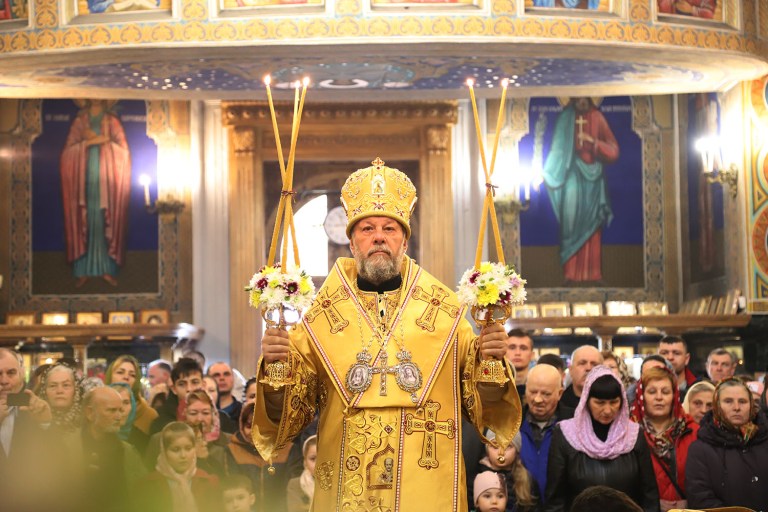
The first Sunday of Great Lent, called the Sunday of the Triumph of Orthodoxy, was celebrated at the Nativity of...
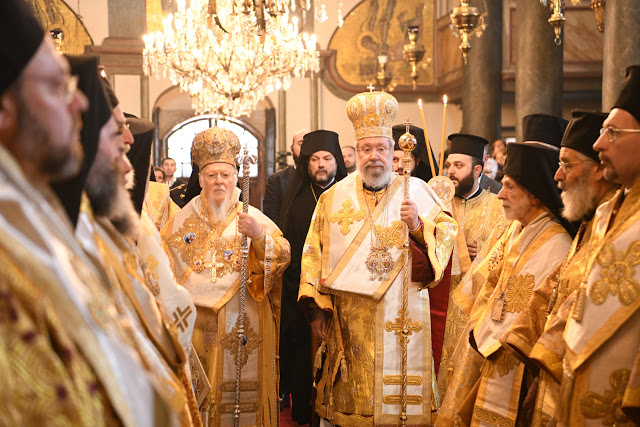
His All-Holiness Ecumenical Patriarch Bartholomew and Archbishop Chrysostomos of Cyprus, together with many hierarchs celebrated the Sunday of Orthodoxy at...
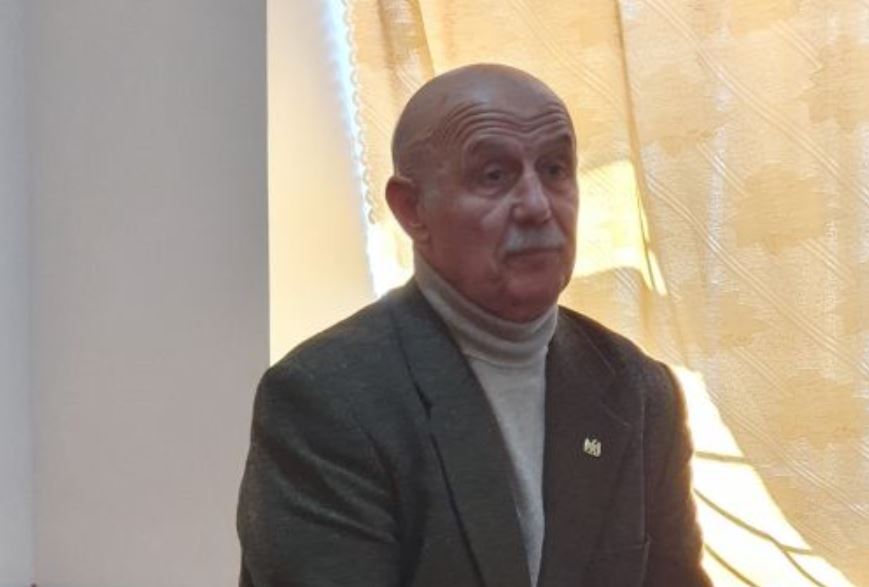
On February 28, at Tbilisi Theological Academy and Seminary a public lecture, titled “Power and Those Born by Revolution” was...
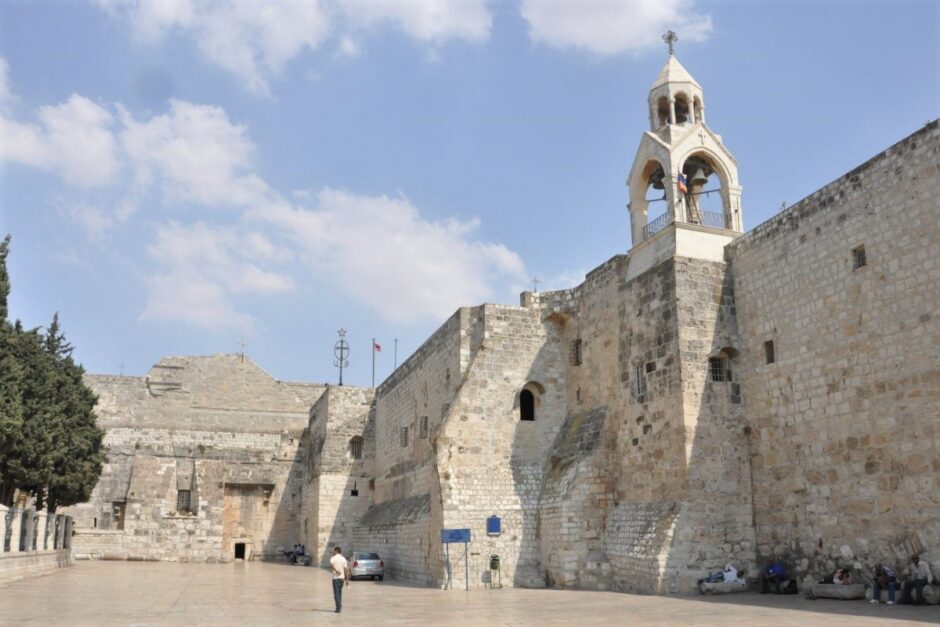
Several churches in Bethlehem including the Church of the Nativity have been temporarily closed for 14 days according to an...
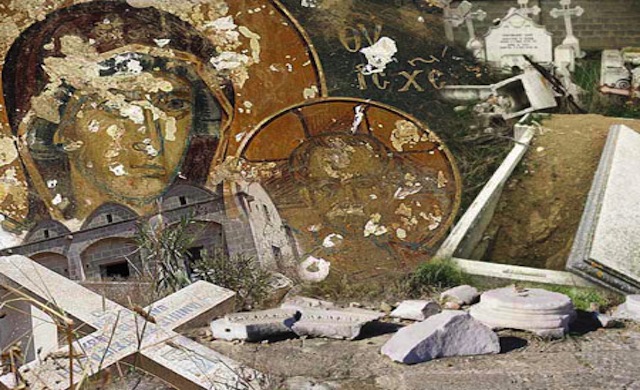
Some ‘progressive’ people see the Church as their enemy. But is there any person who has greater love and wants our happiness more than the Church does, more than God Himself does? The Church suffers with the soul and body of every Christian and takes care of everything proper to our nature and our good.
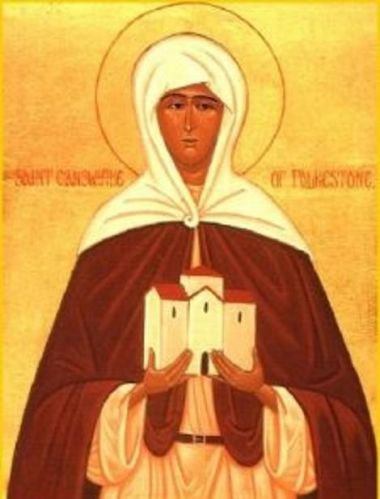
Pall Mall Gazette. 24 July 1885. p. 6. Great interest has, it is said, been caused at Folkestone and the neighborhood by the discovery in the parish church of what are believed to be the remains of St. Eanswith, patron saint of the church and the daughter of Eadbald, one of the Saxon Kings of Kent. Some workmen, in removing the plaster from a niche in the north wall, noticed that the masonry showed signs of having been disturbed at some period, and a further search was made. Taking away a layer of rubble and broken tiles a cavity was discovered and in this a battered and corroded leaden casket, oval shaped, about eighteen inches long and twelve inches broad, ...