God will behave towards us in the same way as we behave to our brothers and sisters. We’ll be measured by the same standard we use to measure others. » Saint Nicholas Velimirovich

God will behave towards us in the same way as we behave to our brothers and sisters. We’ll be measured by the same standard we use to measure others. » Saint Nicholas Velimirovich

With a variety of definitions, our Fathers lead us to humility, but the meaning is almost the same: the comprehensive labour of love that supports all the other virtues. We shall now note some of the sayings of the Fathers which refer to the qualities and fruits of the humble outlook and the manner in which those who have it behave. This will give us more practical knowledge. Anthony the Great, when he was once in an ecstatic state, saw all the land around him full of traps set by Satan. He sighed and asked God to tell him how anyone could avoid them and then heard a voice telling him: ‘only with humility’. The same saint, when he was asked by Pimin ...
Sometimes, whether in church or at home, we pray in a state of spiritual or bodily enervation. Our soul’s weak, cold and barren. But as soon as we make the effort to force our heart really to pray to God, and turn our thoughts to Him in faith, our soul immediately comes alive, warms up and bears fruit.
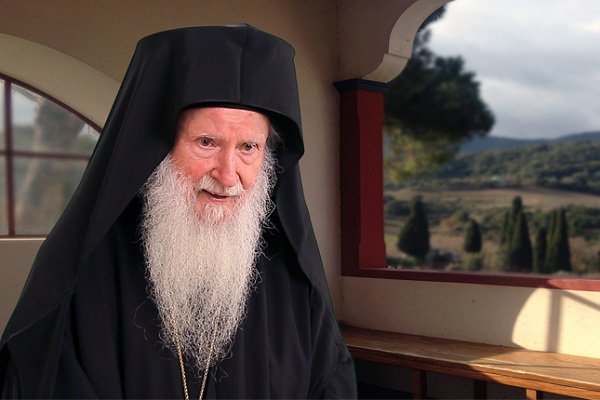
In the days that idolatry prevailed, there were annual public festivals in the beginning of March. These festivals were full of revelry, with wild dances and rich foods. Such idolatrous feasts seemed to linger into the Christian era, continuing until the 7th Century. Sadly, many who were baptized Christians also continued to participate in these enduring spectacles. That is why the 6th Ecumenical Council, which met in Constantinople in 681, addressed this problem directly. From the Council came the 62nd Canon, which banned Christians from participating in these obscene festivals, which have no place in a holy life. In order to protect the faithful from such things, the Church has set today’s passage from St. Paul’s Epistle to the Romans ...
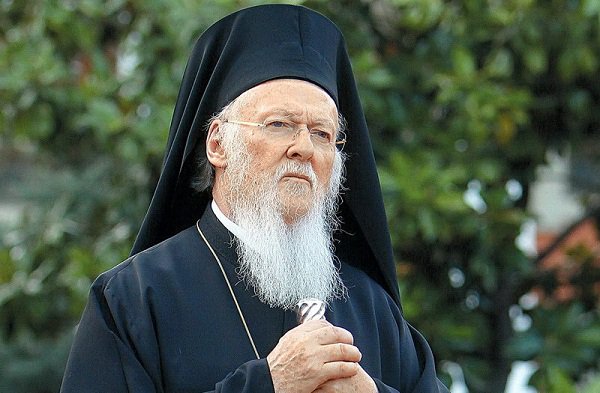
+ BARTHOLOMEW By God’s mercy Archbishop of Constantinople-New Rome and Ecumenical Patriarch To the Plenitude of the Church May the Grace and Peace of our Lord and Savior Jesus Christ be with you Together with our Prayer, Blessing and Forgiveness * * * With the grace of God, the giver of all gifts, we have once again arrived at Holy and Great Lent, the arena of ascetical struggle, in order to purify ourselves with the Lord’s assistance through prayer, fasting and humility, as well as to prepare ourselves for a spiritual experience of the venerable Passion and the celebration of the splendid Resurrection of Christ the Savior. In a world of manifold confusion, the ascetic experience of Orthodoxy constitutes an invaluable spiritual asset, an inexhaustible source of divine ...
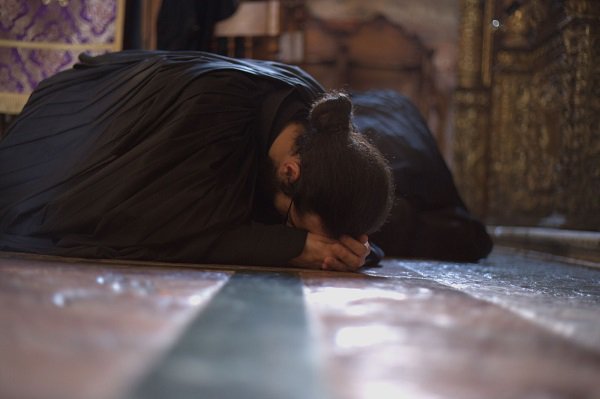
Behold, my friends, the arena of Holy Lent opens today. Behold, we’ve arrived at the gate of the fast and are about to engage in the warfare of the spirit. We’re now approaching the harbour of salvation and should be glad and rejoice more than when we ate and spent to our heart’s content. Let’s cross the threshold of restraint, then, with much rejoicing and jubilation, thanking the Lord that we’ve escaped the powerful and harsh turbulence of the billows of the spiritual tempest and have reached the safe haven, which is calm and secure, is balmy and tranquil, truly serene and life-saving. We’ve left behind the pall of disbelief, the wintry blasts of dissipation; we’ve fled secular turmoil and ...

Our life’s like a children’s game. With the difference that this game isn’t innocent, but sinful. We adults have a mature brain, we know the purpose of our life and we shouldn’t neglect this aim by getting involved in unimportant and pointless things. Because in this way, our life becomes a puerile and unforgiveable game.

Take care of your soul. Look after it and adorn it. Cleanse it from the filth of sin. Cast out from it the ugliness of evil and, with the loveliness of virtue, make it bright and beautiful.

The question of evil has been addressed hardly at all in the Orthodox Church. In comparison with other Christian dogmas, the answer is still expressed in a form that, of course, reveals the truth, but rather nebulously developed. Evil has its origins and draws its strength from the free will of created spirits, be they a part of the ranks of angels or human persons. This is the Orthodox position. But it’s a long way from being fully comprehensible. Nevertheless, the Church at one stage- at the time of the Gnostics- came under great pressure to develop the theory concerning the source of evil. All the Gnostic movements were tormented by the question: ‘Where does evil originate?’. And they all came ...
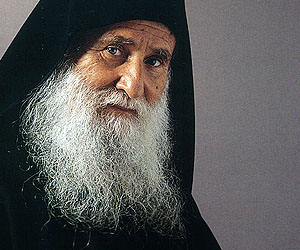
Βlessed and favoured people who are humble are meek, calm, serene, attached to virtue, opposed to evil, untroubled by any circumstance or threat. They live in the bosom of the faith, like infants in the maternal embrace of grace. They never live for themselves, because they’ve forgotten what that is. They’ve become one with the others; they become all things to everyone, in order to bring solace to them. They cry with those who are weeping and rejoice with those who are glad. Since, by grace, they’ve been absorbed into Christ the Saviour, they bear all burdens, without ever distressing or embittering other people. In the fullness of their love towards others, even towards irrational creation, by their submission to ...
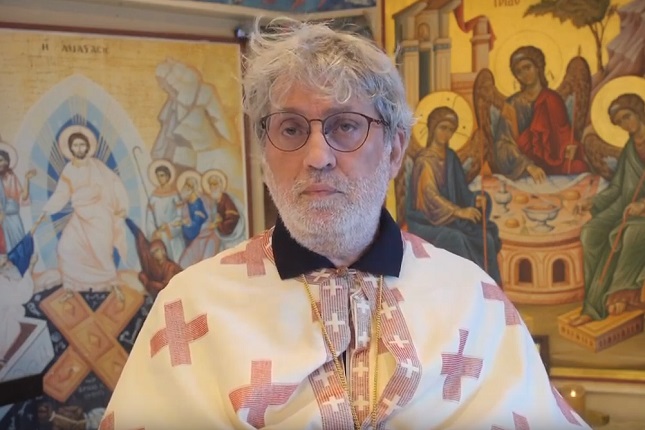
Watch Fr Jonah’s from Taiwan sermon on the gospel of the Last Judgement (Matt 25, 31-46).

Never say ‘I’ll do that tomorrow’, because only that second we’re living in belongs to us. We don’t know if we’ll make it to the next second, the next minute.

From the Lavsaïko by Palladios This account is quite well-known, but because its subject matter is related to the Gospel reading for the Sunday of Meat-fare, it is topical and therefore bears repeating (WJL). 6. On the avaricious nun. There was in Alexandria a woman who was a nun, but in name only. Her clothing was modest, but by disposition she was miserly, severe and excessively fond of money. She loved gold more than she loved Christ. She never gave anything away to strangers, to the poor, to the distressed, to a monk or a nun, nor did she give a farthing to the Church. Despite the advice of the holy Fathers, she wouldn’t part with her money. She had some relatives and adopted ...
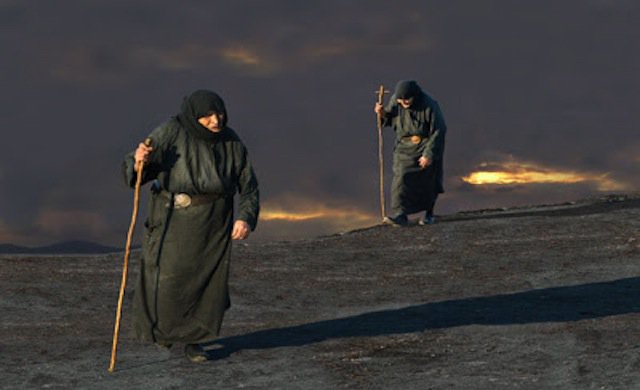
The Lord is hidden in His commandments and is revealed to the extent that those who seek Him keep those commandments.
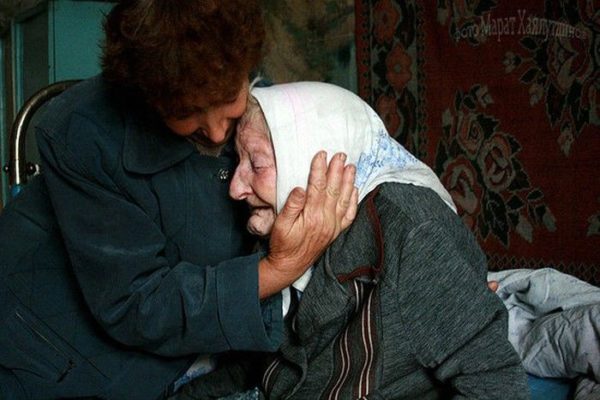
Those who suffer temptations with calm, patience and gratitude to God receive great benefit from their trials. They suffer in the body, but then they won’t suffer in the soul. They suffer for a certain period of time, but will then live in eternal bliss.
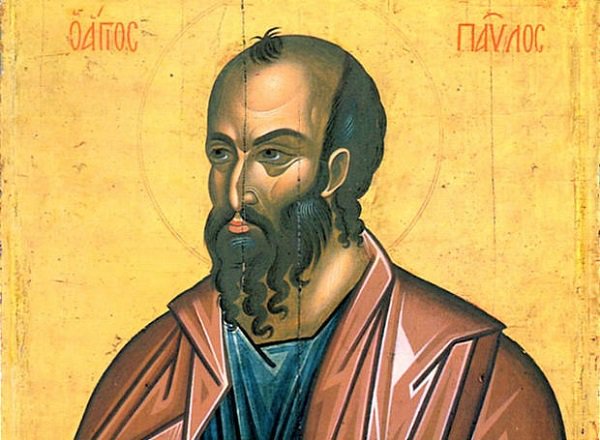
Saint Paul’s 1st Epistle to the Corinthians is the richest in terms of the number of issues he addresses. Among the many subjects the Corinthians asked him about was that of eating or not eating food offered to idols, that is the meat remaining after an animal had been sacrificed to the gods. Because there was usually so much of this meat, it was given to the butchers or distributed as food at the ‘idoleum’, the temple and its surrounding area. There were opportunities for this every day (festivals, fairs, weddings, funerals and so on), and the obvious social commitments on the part of Christians towards their fellow-citizens would have meant that they had to take part in such events. In ...
The title of this speech in Greek is ‘Περί ταπεινώσεως και ταπεινοφροσύνης’. An Elder has explained the difference as being that ‘ταπεινοφροσύνη’ is an attitude of mind (hence ‘humble outlook’), while ‘ταπείνωσις’ (‘humility’) is from the heart. In practice, however, the terms are often used interchangeably. Without question, the Scriptures as a whole, as well as Patristic philosophy, are ‘seasoned with salt’, as it were, garlanded with the good mother of the virtues, the humble outlook. This is particularly noticeable at the points related to the behavior and comportment of people living by the direct instructions to reach their destination and striving to put these into practice through repentance. In another homily, we referred to obedience as a virtue. Now we’re obliged ...

Acquisition of divine love makes us angels, immortal, incorruptible. The pure flame of love extinguishes all other desire for earthly longings. You get the impression that those who love God aren’t interested in anything else, not even nourishment, since they’ve tasted God and been sweetened by Him.

‘As you did it to one of the least of these my brethren, you did it to me’. In the parables used by the Lord, He repeats the phrase ‘the kingdom of heaven is like… (Matth. 22,2) that is, He compares the kingdom of heaven with ten virgins, with a precious pearl, with a field or a lost coin and so on. In today’s Gospel, he speaks in a parable, but shows a real situation and His own revealed self, which is why He says ‘when the son of man comes in his glory’ (25,31), which means that the reading fully expresses the truth concerning the final judgment of humankind. God’s mercy and our loving-kindness One property of God is His mercy. We’re ...
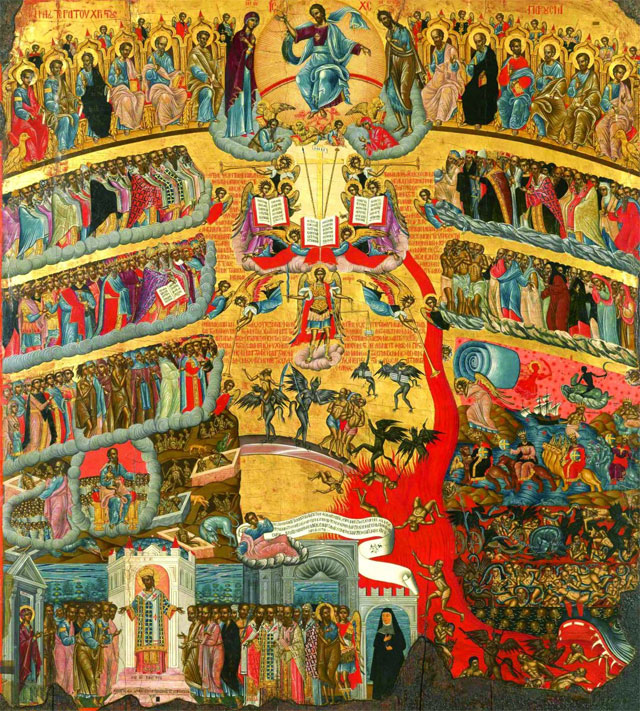
It’s an unshakeable and irrefutable truth that every day of our earthly life is- apart from anything else- another step that brings us ever closer to our biological death. Despite the fact that this is the most certain event which will occur to each and every one of us, rich and poor, powerful and weak, in everyday practice we nevertheless are forgetful of it. We underestimate it, so it no longer functions for us as a compass showing the bearings to our destination, which is its advent. In the Orthodox faith and theology, the truth isn’t a subject for our intellectual ingenuity, but has been revealed to the world as incarnate Self-Truth in the Person of Christ. It’s a matter of ...