
A bad word makes even good people bad, but a good word turns even bad people into good. +Saint Macarius the Elder Our words have so much power, yet it’s so easy to say them without thinking. Have you ever chosen to say something nice when you didn’t feel like it? What happened? Like an oasis in the desert, a kind word can bring forth beauty. Choose to say something good today and see what comes of it! Lord, help me to choose good words that help others and reflect Your loving heart. Source: www.familylifeministry.atlanta.goarch.org
Created as God-like from the beginning, man would not accept anything irrational in his thoughts and in his life. All his thoughts and his motions were proper since they had been illuminated by the divine Grace. As soon as he was deceived and severed himself from the origin of consummate perfection, man’s personality was immediately crashed and his original ‘simplicity’ was followed by ‘complexity’. Thus the rational was replaced by the irrational. Ever since all the faculties of the human personality have been perverted, were in effect inclined towards the irrational and gave birth to passions. Man’s thoughts and deeds are not moved according to what is strictly “needed” but follow wicked intentions and habits in accordance with the prevailing ...
People who struggle against sin write the most lovely pages in God’s book. Because everything’s written there.
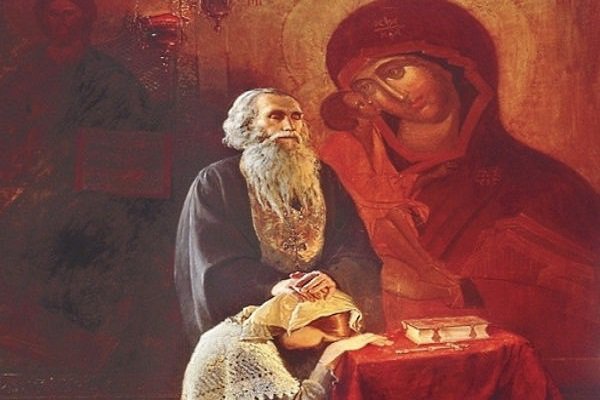
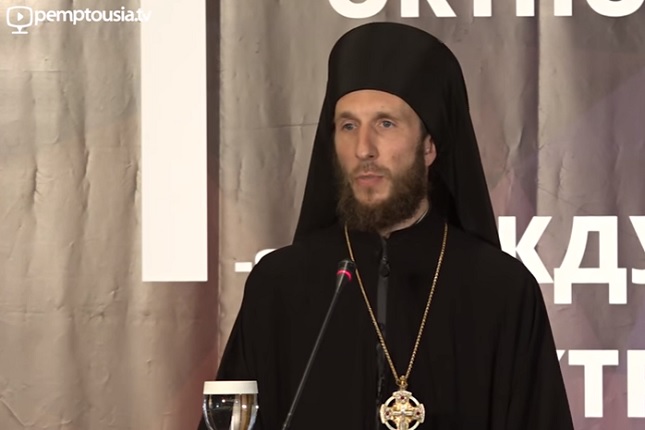
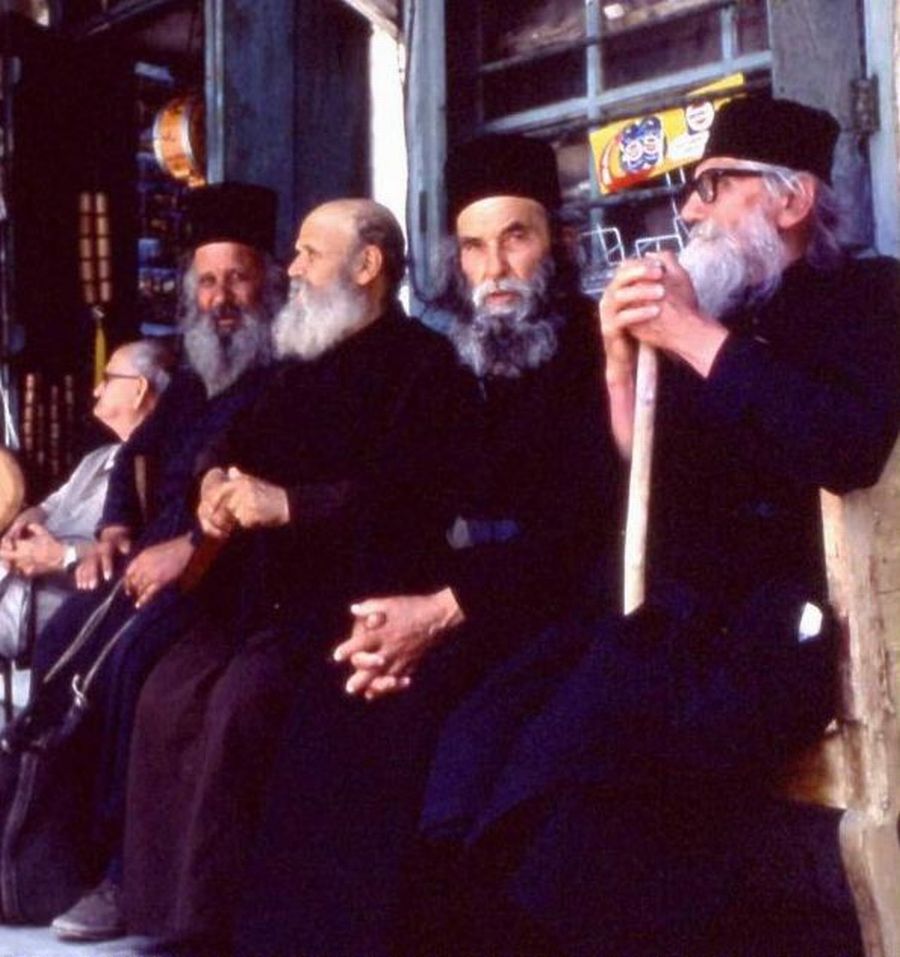
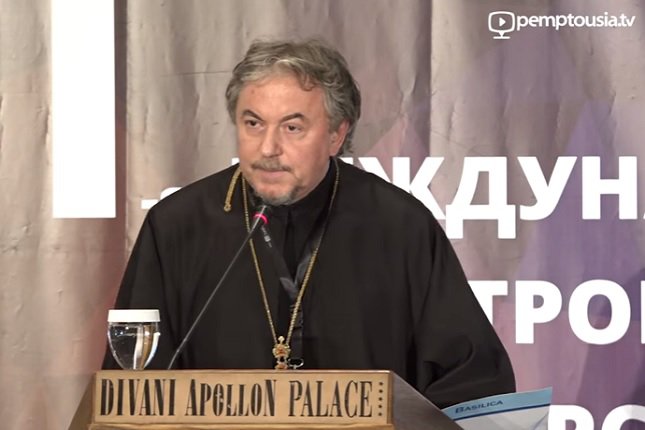
Many Christians are troubled by the issue of how to choose spiritual guide. What characteristics should they look for and what kind of relationship should develop between them? In an address to an international conference, Elder Elisaios, the abbot of the Holy Monastery of Simonos Petras on the Holy Mountain, said that it’s a good and useful thing for Christians to seek spiritual guides who they feel comfortable with and in whose presence they are happy. Looking for a spiritual guide with supernatural gifts, however, is a delusion. In an exclusive interview with Pemptousia, the same elder said that people today want to talk more than to repent in their search for divine Grace. In the old days, their used to ...
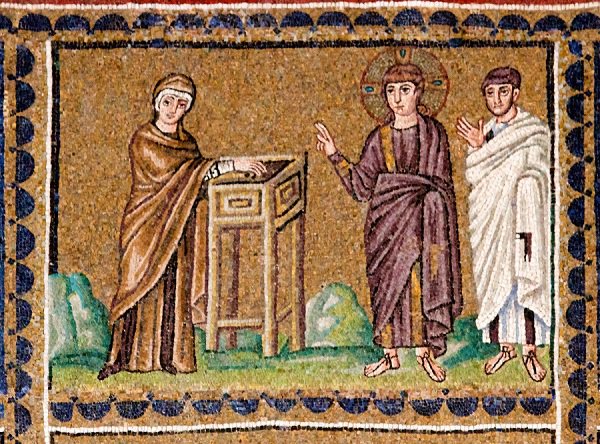
“Where your treasure is there will your heart be also.” These words of Jesus have resonated within the hearts of people for two thousand years. What was Jesus talking about? What do Jesus, the Bible, and the Church Fathers have to say about tithing and giving to God? The Scriptures have no less than 2,350 verses having to do with money and money management. Jesus speaks about money and money management more than any other topic including heaven, hell, salvation etc. The topic is very important for the Christian life. In an often misquoted verse, St. Paul the Apostle writes, “the love of money is the root of all evil”. St. Paul teaches that our Lord realizes that we have needs to ...

When you pray, try very hard to feel in your heart the power and the truth of the words of the prayer. Be nourished by them, because they’re imperishable food. Water your heart with them, because they’re like the morning dew. Warm yourself with them as you would with a welcome fire.
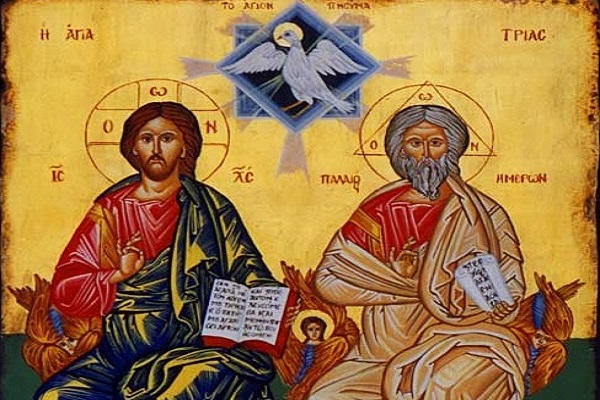
It is well known that the heresy of Arius (†336) was condemned by the 1st Ecumenical Synod in Nicaea in 325. Regarding the Holy Trinity, Arius taught that the Son was not of one substance with the Father, but was created by Him. The condemnation of Arius by the Synod did not signal the end of his heresy, however. Two factors contributed to this. In the first place, the emperors who succeeded Constantine the Great (306-337) supported Arianism, either directly or indirectly, until Theodosius the Great ascended the throne (373-395). The second was that there were also theologians who tended towards the views of Arius and who, with the support of the like-minded emperors, continued to occupy prominent positions in the ...
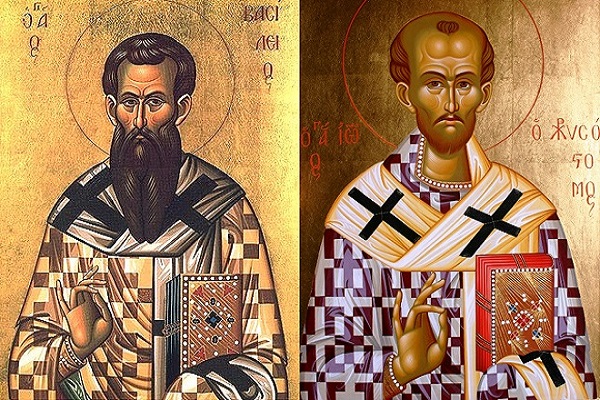
From the first days after Christ’s Ascension, the Apostles celebrated the Sacrament of the Divine Eucharist, because they wanted very much to remember Him and to feel that He was close to them. Every day they had an assembly where they sang hymns, recalled events of His life, the miracles, His words and, in particular His Passion and Resurrection. Afterwards, they’d repeat the words He’d given them at the Last Supper, they’d bless the bread and wine and then all of them would partake. Gradually, certain hymns were added, together with particular prayers, and the Liturgy as we know it today was formed. For centuries now, three types of Liturgy have been established in the Orthodox Church. The most common is the ...

Our 6 year-old daughter Gabriella sometimes makes the most insightful observations. The other day she said, “Mom, when I feel grumpy or tired, all the ‘good stuff’ just goes away. It΄s like I can’t remember all the ways I know I am supposed to behave.” Wow, don’t we all struggle with that sometimes, even as adults? It takes a little more effort to do the right thing when we are tired, hungry or otherwise running on fumes. Self-awareness is the key to life though. I say, take the time to listen to your body. Rest when you need to rest, plan for eating so you don’t miss a meal, exercise when you are holding tension, seek the quiet company of a ...
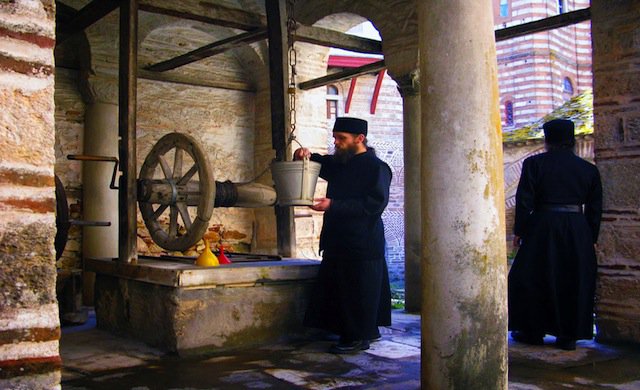
Obedience makes people free not only of the bodily passions but also of those of the spirit.
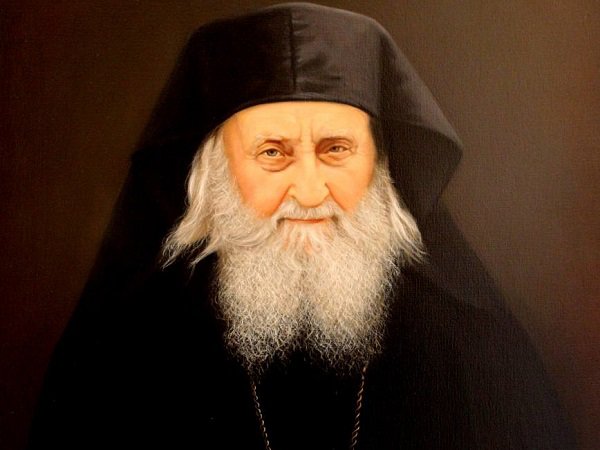
The question ‘What is truth?’ would be better posed as ‘Who is truth?’. And the direct answer is: ‘Truth is the personal God Who is known, however, only ‘through communion in existence’. Knowledge of God is experienced as knowledge of the Persona-Person as the bearer of the whole of the Divine Being, though without being confined within Himself, but as ‘living in the other’. For formal logic, however, this is a pointer to the inadequacy of the Persona per se and therefore a denial of its absolute nature. The antinomy of the existential knowledge of the Absolute as person-persona creates the impression among representatives of science and philosophy that Christians are on shaky ground and that they’re dreamers, while ...

No matter how small the passions may seem, get rid of them straight away – completely and without hesitation - so that there’s not a trace left behind. Get rid of them with indignation and wrath. Strange as it may seem, get angry with them, because you’ll then get rid of them root and branch. No passion can dominate you or injure you unless you have a liking for it.
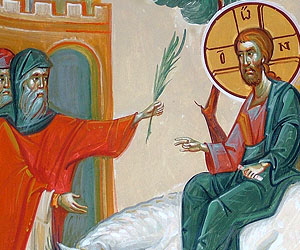
Rev. Patrick H. Reardon We may begin where the Bible does, with God’s revelation through his Son. How should we describe this revelation? Two adjectives that come to mind are empirical and historical. In investigating the empirical aspect of God’s sending forth of his Son, we can hardly do better than to start with the Johannine literature. This theme’s most graphic text is found at the beginning of the First Epistle of John: That which was from the beginning, which we have heard, which we have seen with our eyes, which we have looked upon, and our hands have handled, concerning the Word of life—the life was manifested, and we have seen, and bear witness, and declare to you that eternal life ...

Rev. Patrick H. Reardon A second brand of philosophy against which divine revelation should put us on guard is what goes by the name “web of belief,” in which all knowledge of the truth is interpreted as, and thus, reduced to a mere corres-pondence between the mind and reality. This appeal to a “web of belief,” an expression I believe we owe to Willard Van Orman Quine (1908–2000), recognizes only a noetic correspondence with facts, no “truths of being.” The only objects that man can know are—to borrow the expression of Joe Friday—“just the facts, ma’am.” The only basis of truth is the mind’s congruity with fact. Or, to employ the distinction and terminology of Gottfried Leibniz, this “web of belief” philosophy ...

Sometimes words lose meaning, their depth emptied from overuse. Words like: Friend, Love, Conversion… I turn over the shell of a word, a name that once meant something more, something different, and I wonder at the skin left behind. A word shed of meaning. Is it because we’ve grown too familiar with mystery? Excessively punctuating our everyday language with words that once expressed wonder? Is this why words of awe have been emptied of substance? Or are they empty because they’ve been filled with our ego? Because in this fallen world, love means “What’s in it for me?” and friend means “How much do you mirror me?” and conversion is a matter of choosing sides. And we pray for the conversion of others, not because we love our ...
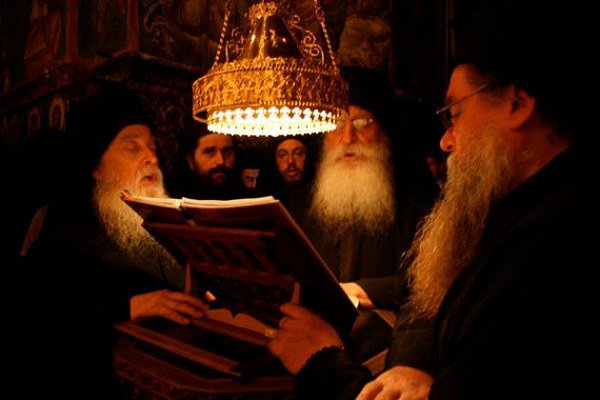
‘The rich have been made poor and hungry, but those who seek the Lord shall not lack anything that is good (Ps. 33). These words of wisdom do not merely suggest a way out of our material problems. Nor, again, do they offer a proposal for the solution of issues of social class. Their meaning has a Eucharistic perspective. The Lord comes to give us what we actually need: God Himself. He wants us to be participants in real life, in eternal life, which is His body and blood. It is in the Divine Eucharist, where the Lord Himself is offered in the form of bread and wine, that we experience the true meaning of not being deprived of good things ...
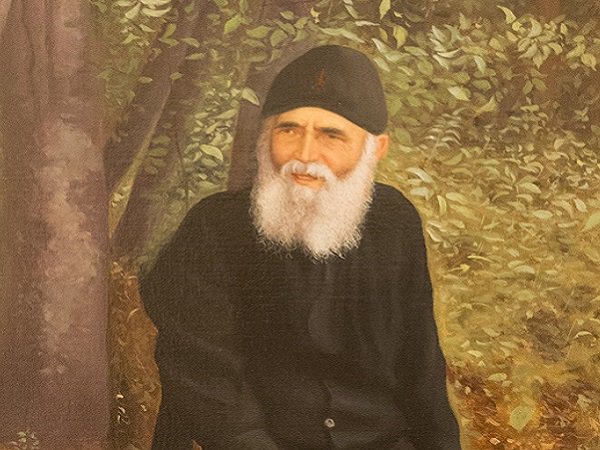
There are times, in religious circles, when confusion arises over which people are mentally ill and which are possessed by demonic energy. When Saint Païsios the Athonite was asked how the mentally ill can be distinguished from the possessed, he answered: ‘Any ordinary doctor who’s in the Church can diagnose that. If people are possessed and they approach a sacred object, they go to pieces. From this it’s obvious that they have a demon. If you give them a little holy water or make the sign of the cross over them with a holy relic, they react, because the demons are cringing inside them. If, on the other hand, they’re suffering from a mental illness, they don’t react at all. Even ...