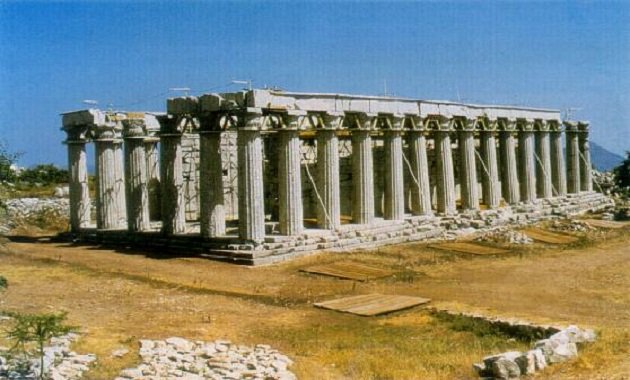
At the same time, we know from the sources that both the state and the Church recognized the aesthetic value of the monuments of the ancient religion. Thus, for example, in an edict of the emperors Gratian, Valentinian and Theodosius, in 382, there is mention of a pagan temple in Mesopotamia, which was to remain open so that people could enjoy the aesthetics of the statues which were on display. In an edict of 399, Arcadius and Theodosius ordered that the decorations of public buildings be preserved, while another, by the same emperors, forbade any destruction of temples which were devoid of idols and, even if there were any idols there, no destruction of them was permitted unless sacrifices were still ...